Running a cannabis business online in Canada is different from managing a regular eCommerce website. Strict advertising laws, age restrictions, and provincial regulations make compliance one of the most important parts of your digital strategy. A single mistake on your website can lead to account suspensions, advertising restrictions, or legal complications.
For dispensaries, cannabis clone sellers, and cannabis delivery businesses, compliance is not only about following the law — it is also about building trust with customers and protecting your brand long-term.
At Dispensary SEO Company, we help cannabis businesses improve visibility while staying aligned with Canadian cannabis marketing regulations.
Why Cannabis Website Compliance Matters in Canada
Canada legalized recreational cannabis federally under the Cannabis legalization in Canada, but the industry still operates under strict marketing and promotional rules.
The main regulations come from:
- The Health Canada
- The Cannabis Act
- Provincial cannabis authorities
- Local advertising standards
If your website violates compliance guidelines, you may face:
- Website takedown requests
- SEO ranking issues
- Google Ads rejection
- Social media account restrictions
- Payment processor issues
- Loss of customer trust
That is why cannabis SEO and compliance should work together.
Key Areas Every Canadian Cannabis Website Must Follow
1. Add Proper Age Verification
One of the most important requirements for cannabis websites in Canada is age gating.
Your website should prevent underage users from accessing cannabis-related content. Most cannabis businesses use a popup age verification screen before users enter the site.
Best Practices for Age Verification
- Ask users to confirm legal age
- Match provincial legal age requirements
- Block website access until confirmation
- Keep the age gate visible on all cannabis-related pages
For example:
- Alberta: 18+
- British Columbia: 19+
- Ontario: 19+
A weak or fake age gate may not be enough for compliance.
2. Avoid Making Medical Claims
Many cannabis businesses accidentally violate regulations by making unsupported health claims.
Avoid statements like:
- “Cures anxiety”
- “Treats depression”
- “Guaranteed pain relief”
- “Best medicine for insomnia”
Unless approved by authorized medical regulations, these claims can create serious compliance problems.
Instead, use educational and neutral language such as:
- “Commonly used by consumers for relaxation”
- “Known for earthy terpene profiles”
- “Popular among experienced cannabis users”
Educational content performs better for SEO and keeps your site safer legally.
3. Do Not Promote Cannabis to Minors
Canadian cannabis regulations strongly prohibit appealing to youth.
Your website should avoid:
- Cartoon graphics
- Youth-oriented slang
- Bright childlike branding
- Celebrity endorsements targeting younger audiences
- Meme-style promotional content
Instead, focus on professional branding and educational cannabis content.
A clean, trustworthy website design improves both compliance and conversion rates.
4. Be Careful With Testimonials and Reviews
Many cannabis businesses unknowingly violate regulations by displaying promotional testimonials improperly.
Avoid exaggerated claims like:
- “This strain changed my life”
- “Best weed in Canada guaranteed”
- “You must try this product”
If you allow customer reviews:
- Moderate user-generated content
- Remove medical claims
- Avoid incentivized reviews
- Keep reviews authentic and factual
Compliance-friendly reviews still help SEO while reducing legal risk.
5. Follow Provincial Cannabis Rules
Cannabis laws vary between provinces in Canada.
For example:
- Delivery rules differ by province
- Some provinces limit promotions
- Packaging requirements may vary
- Local licensing requirements differ
If your dispensary serves multiple provinces, your website should clearly explain:
- Where you deliver
- Provincial restrictions
- Age requirements
- Delivery verification policies
Localized landing pages can also help with SEO while staying transparent with customers.
6. Make Product Information Clear and Accurate
Your product pages should provide accurate, transparent information without misleading claims.
Include details like:
- Strain type
- THC/CBD percentages
- Terpene information
- Consumption warnings
- Product format
- Quantity details
Avoid misleading wording such as:
- “Strongest weed ever”
- “Guaranteed premium quality”
- “100% safe”
Transparency builds trust and helps customers make informed decisions.
SEO Tips for Cannabis Websites Without Breaking Regulations
Many cannabis businesses struggle because traditional marketing strategies do not always work in this industry.
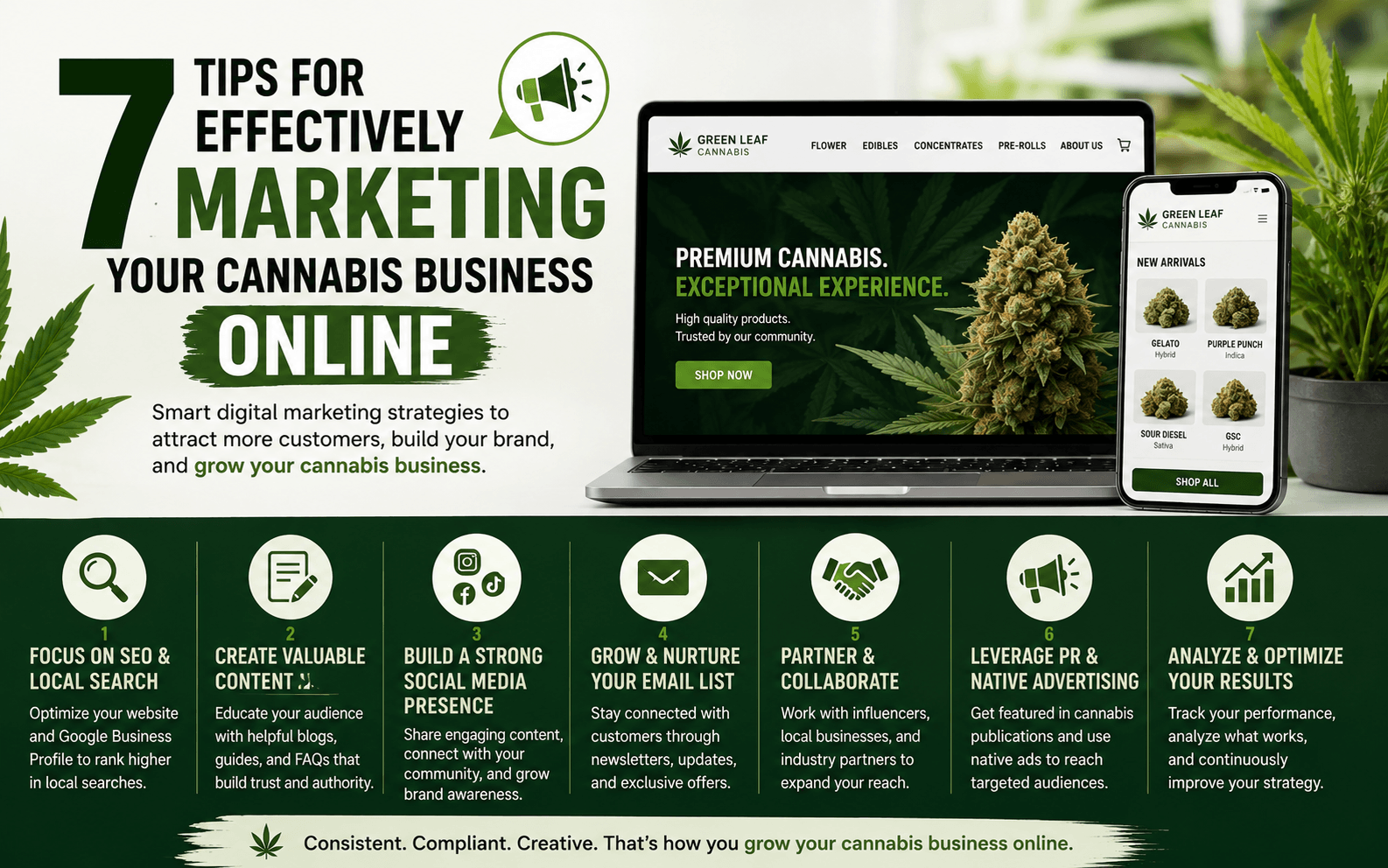
The good news is that SEO remains one of the safest and most effective ways to grow cannabis traffic organically.
Focus on Educational Content
Educational blogs perform extremely well in cannabis SEO.
Examples include:
- Cannabis growing guides
- Clone care tutorials
- Terpene education
- Cannabis laws in Canada
- Delivery process explanations
- Beginner cannabis guides
Educational content helps attract search traffic without aggressive promotion.
Use Compliance-Friendly Keywords
Avoid spammy keyword stuffing or exaggerated promotional language.
Instead of:
- “Best cheap weed online”
- “Strongest cannabis in Canada”
Use:
- “Cannabis delivery in Vancouver”
- “Licensed cannabis dispensary”
- “Cannabis clones in Canada”
- “THC and CBD explained”
Semantic SEO improves rankings naturally while keeping your content professional.
Create Province-Specific Pages
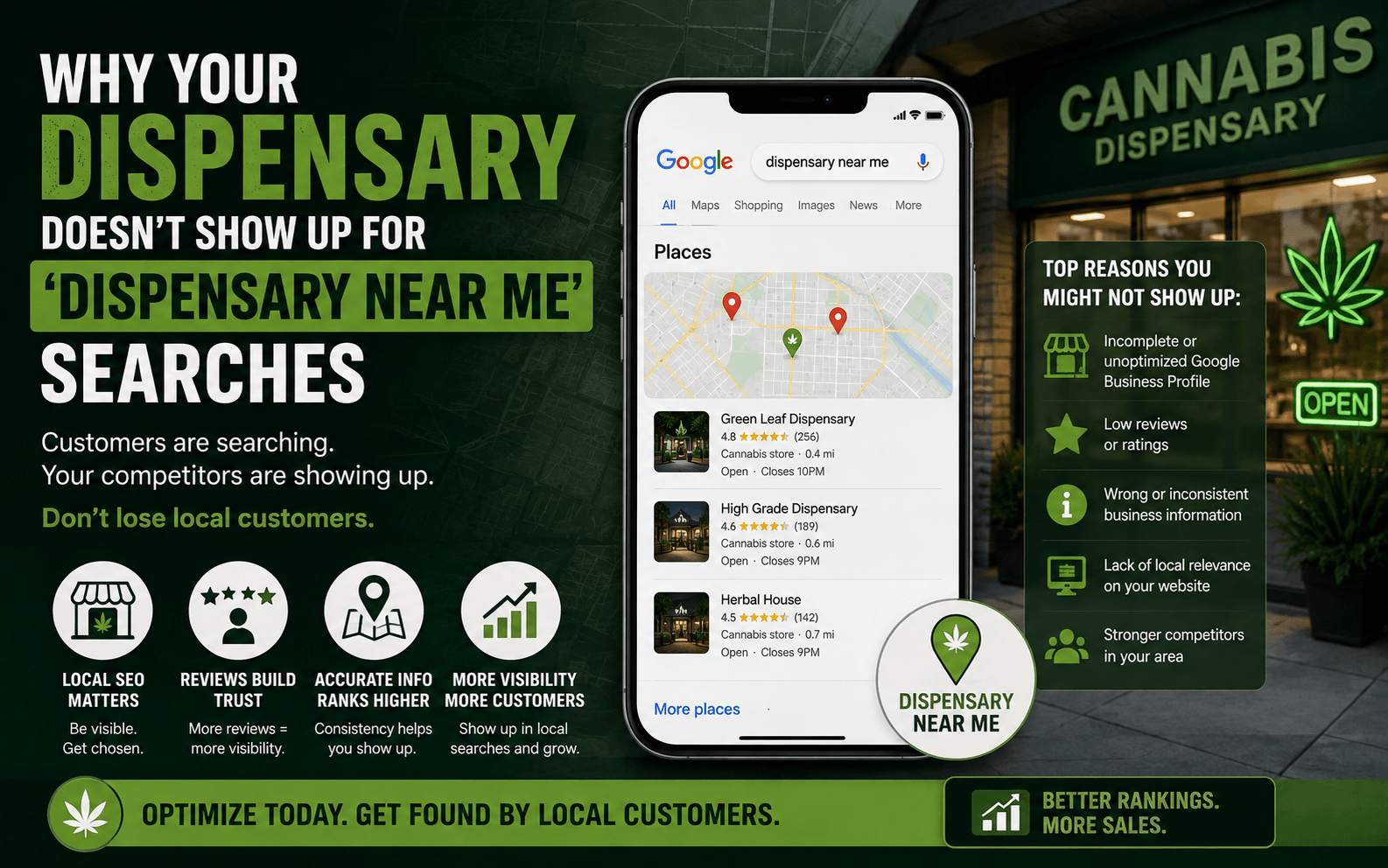
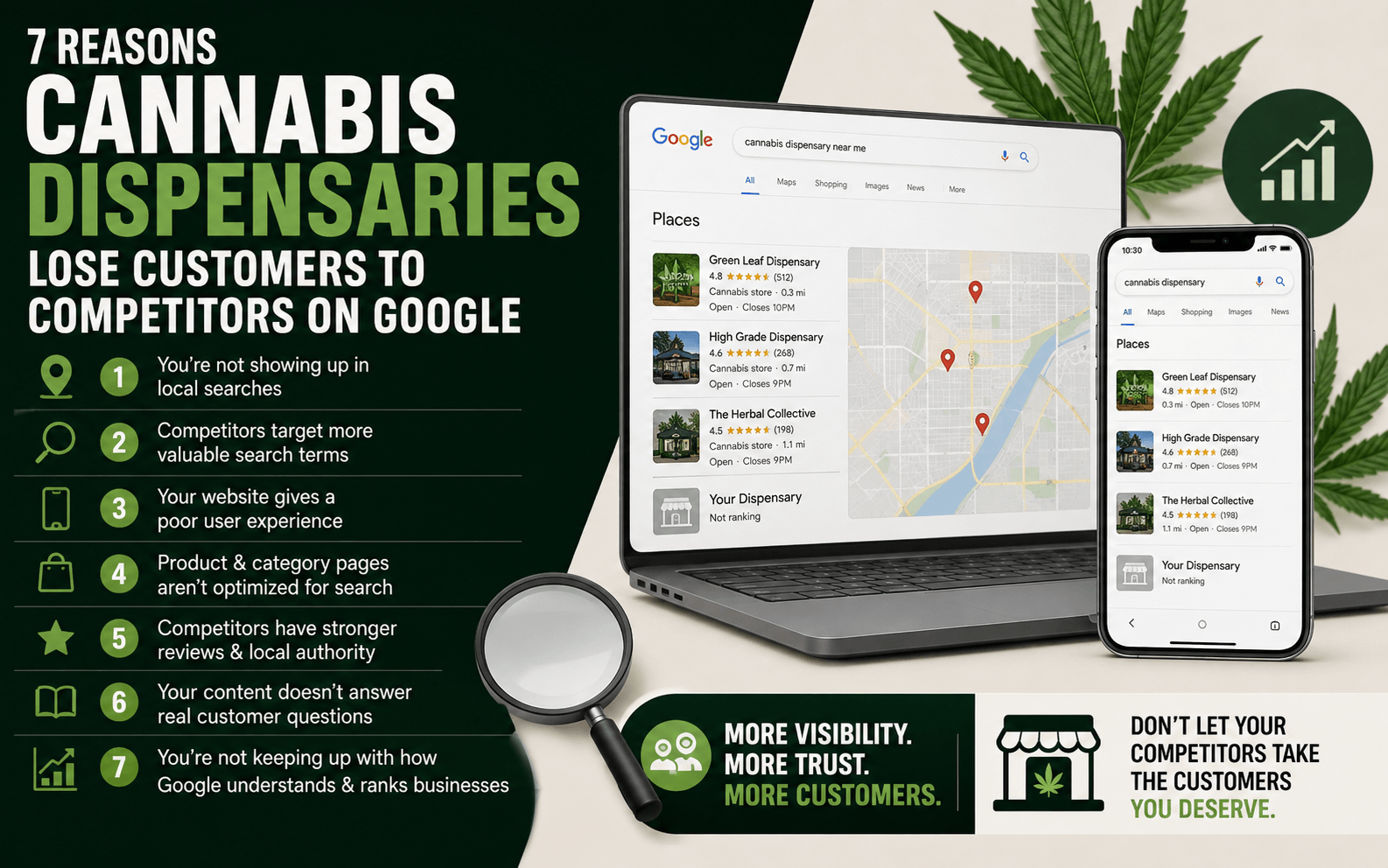
Location-based SEO works extremely well for dispensaries.
Examples:
- Cannabis delivery Toronto
- Weed delivery Vancouver
- Cannabis dispensary Ottawa
- Cannabis clones Alberta
But every page should include accurate local compliance information.
This improves both search visibility and customer trust.
Secure Your Website Properly
Cannabis websites are often targeted by hackers and spam attacks.
Important security steps include:
- SSL certificate (HTTPS)
- Secure payment processing
- Spam protection
- Website backups
- Privacy policy
- Terms and conditions
A secure website also improves SEO performance and customer confidence.
Common Cannabis Website Compliance Mistakes
Here are some of the biggest mistakes cannabis businesses make online:
Using Google Ads Incorrectly
Cannabis advertising rules are strict on:
- Google Ads
- Meta Ads
- Instagram promotions
- TikTok advertising
Many ads get rejected because of direct cannabis promotion.
SEO is usually the safer long-term strategy for cannabis brands.
Copying Content From Other Cannabis Websites
Duplicate content can hurt SEO and create trust issues.
Every cannabis website should have:
- Original product descriptions
- Unique blogs
- Custom landing pages
- Brand-specific content
Google rewards useful and original cannabis content.
Ignoring Mobile Optimization
Most cannabis customers browse from mobile devices.
Your website should have:
- Fast loading speed
- Mobile-friendly design
- Easy navigation
- Clear product categories
- Quick checkout process
A poor mobile experience can increase bounce rates and reduce conversions.
How Dispensary SEO Company Helps Cannabis Businesses Stay Compliant
We understand the unique challenges cannabis businesses face in Canada.
We help with:
- Cannabis SEO
- Compliance-focused content
- Local dispensary SEO
- Technical SEO audits
- Province-based landing pages
- Website optimization
- Organic traffic growth
- Conversion-focused cannabis marketing
Our goal is to help cannabis businesses grow safely and sustainably without risky marketing tactics.
Final Thoughts
Canadian cannabis regulations continue to evolve, and staying compliant online requires more than simply adding an age verification popup.
Your cannabis website should combine:
- Legal awareness
- Educational content
- Professional branding
- SEO best practices
- Technical security
- Province-specific transparency
When compliance and SEO work together, your website becomes a stronger long-term asset for attracting qualified traffic and building customer trust.
If you want to improve your cannabis website rankings while keeping your business aligned with Canadian regulations, working with an experienced cannabis SEO agency can make a major difference.
FAQs
Is it legal to advertise cannabis online in Canada?
Cannabis advertising is heavily restricted in Canada. Businesses must avoid appealing to minors, making misleading claims, or promoting excessive consumption.
Do cannabis websites in Canada need age verification?
Yes. Cannabis websites should use age-gating systems to help prevent underage access and align with provincial legal age requirements.
Can cannabis businesses use Google Ads in Canada?
Google Ads for cannabis businesses are highly restricted. Many cannabis companies rely more on SEO, local SEO, and educational content marketing instead of paid ads.
What type of cannabis content is safest for SEO?
Educational content is generally the safest and most effective approach. Topics like cannabis regulations, strain education, growing guides, and terpene information perform well organically.
Why is local SEO important for dispensaries?
Local SEO helps cannabis businesses appear in searches related to specific cities or regions. It also helps customers find compliant delivery areas and local services more easily.
How often should a cannabis website review compliance policies?
Cannabis businesses should regularly review website content and compliance policies because provincial and federal regulations can change over time.