A Detailed Guide for Canadian Dispensaries, LPs, and Online Cannabis Businesses
Canada was one of the first major countries to legalize recreational cannabis nationwide, creating massive opportunities for dispensaries, Licensed Producers (LPs), cannabis delivery brands, and online cannabis retailers.
But legalization doesn’t mean marketing is easy.
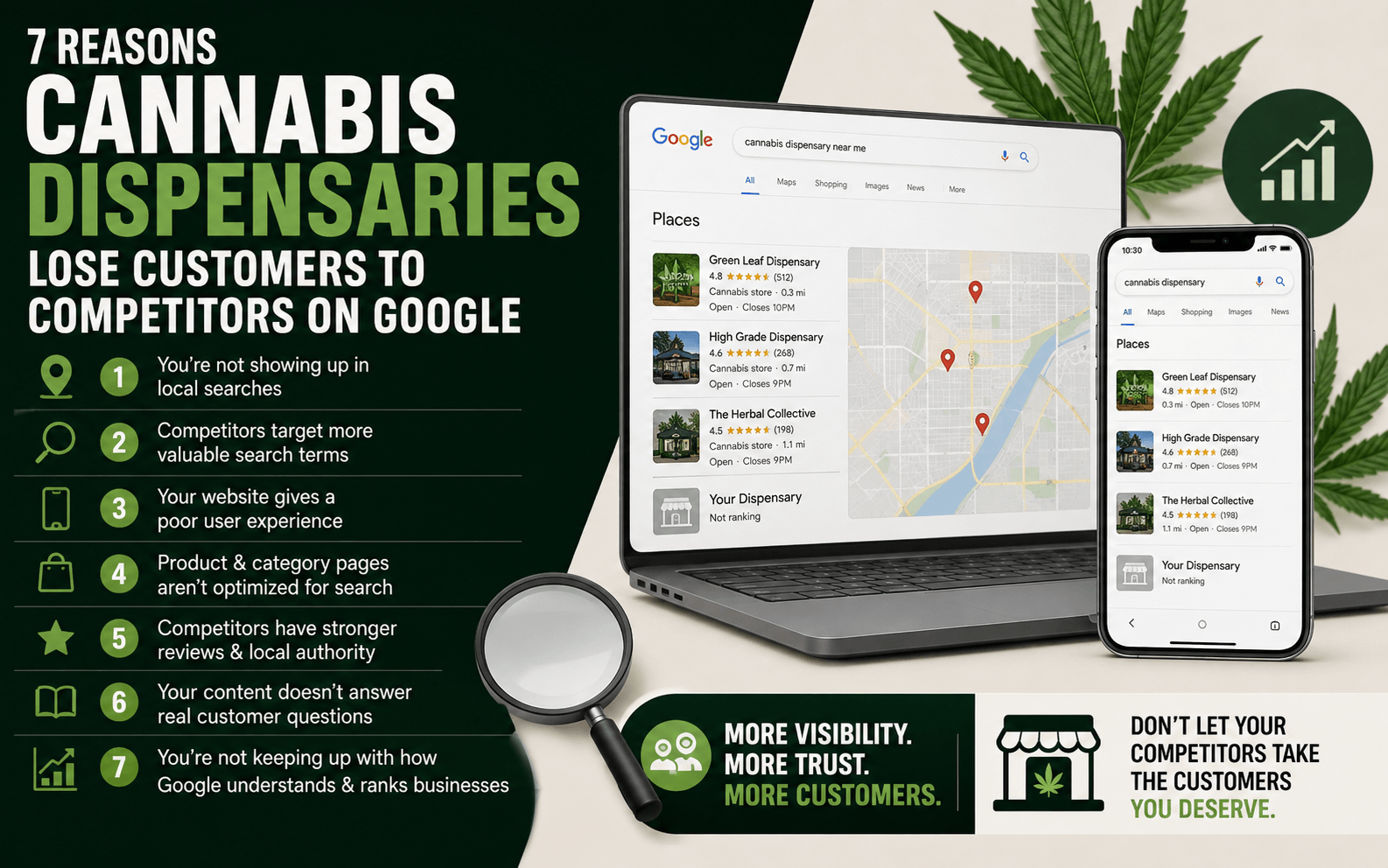
In fact, cannabis SEO marketing in Canada comes with unique challenges that many businesses underestimate. Strict advertising laws, provincial regulations, local competition, and limited promotional channels make SEO one of the most important growth strategies for Canadian cannabis brands.
Whether you operate in Ontario, British Columbia, Alberta, or anywhere else in Canada, understanding these SEO challenges can help you grow organic traffic, improve local rankings, and drive more sales.
Why Cannabis SEO Matters More in Canada
Canadian cannabis businesses face strict marketing limitations under the Cannabis Act, especially when it comes to paid promotions, youth-targeted messaging, and public advertising.
This means many brands cannot rely heavily on:
- Google Ads for cannabis products
- Facebook or Instagram paid promotions
- Traditional display advertising
- Aggressive promotional campaigns
Because of these restrictions, SEO often becomes the most sustainable long-term strategy for:
• Ranking in Google
• Attracting local customers
• Building trust
• Driving online cannabis sales
For Canadian cannabis companies, organic visibility is often the difference between growth and stagnation.
1. Strict Canadian Cannabis Advertising Laws
One of the biggest challenges in Canadian cannabis SEO marketing is navigating federal and provincial advertising restrictions.
Under Canadian regulations, cannabis businesses must avoid:
• Appealing to youth
• Lifestyle-based promotional claims
• Misleading health claims
• Testimonials in certain contexts
• Excessive promotional messaging
Why This Creates SEO Challenges:
Traditional SEO often uses persuasive marketing language, but Canadian cannabis businesses need compliance-safe content.
Common Mistakes:
❌ “Best weed in Canada”
❌ “Get high-quality cheap weed instantly”
❌ Health claims without legal basis
Better SEO Approach:
✅ Educational cannabis content
✅ Product category pages
✅ Strain information
✅ Compliance-friendly blogs
✅ Local dispensary SEO
2. Provincial Regulations Make SEO More Complex
Canada’s cannabis market is not identical across provinces.
Each province has different frameworks for:
- Delivery
- Retail licensing
- Product availability
- Government-run vs private systems
Example:
Ontario:
Highly competitive with many private retailers.
British Columbia:
Strong cannabis culture with regional competition.
Alberta:
Private retail opportunities but local SEO battles.
Quebec:
Different restrictions and French SEO considerations.
SEO Challenge:
A strategy that works in Ontario may not work in Quebec or Alberta.
Solution:
Create province-specific SEO campaigns:
• “Cannabis delivery Toronto”
• “Online dispensary Alberta”
• “BC cannabis strains”
Localized content is critical.
3. Competition From Government & Large Retail Platforms
In Canada, many cannabis businesses compete against:
• Provincial government stores
• Large dispensary chains
• Weedmaps
• Leafly
• High-authority cannabis directories
These websites often dominate broad keywords like:
• Buy weed online Canada
• Cannabis near me
• Best dispensary Toronto
The Problem:
Smaller businesses struggle to rank for broad competitive keywords.
Solution:
Target long-tail and local keywords:
✅ Same-day cannabis delivery Mississauga
✅ Indica strains in Vancouver
✅ Best pre-rolls Calgary
This strategy improves ranking opportunities and conversion rates.
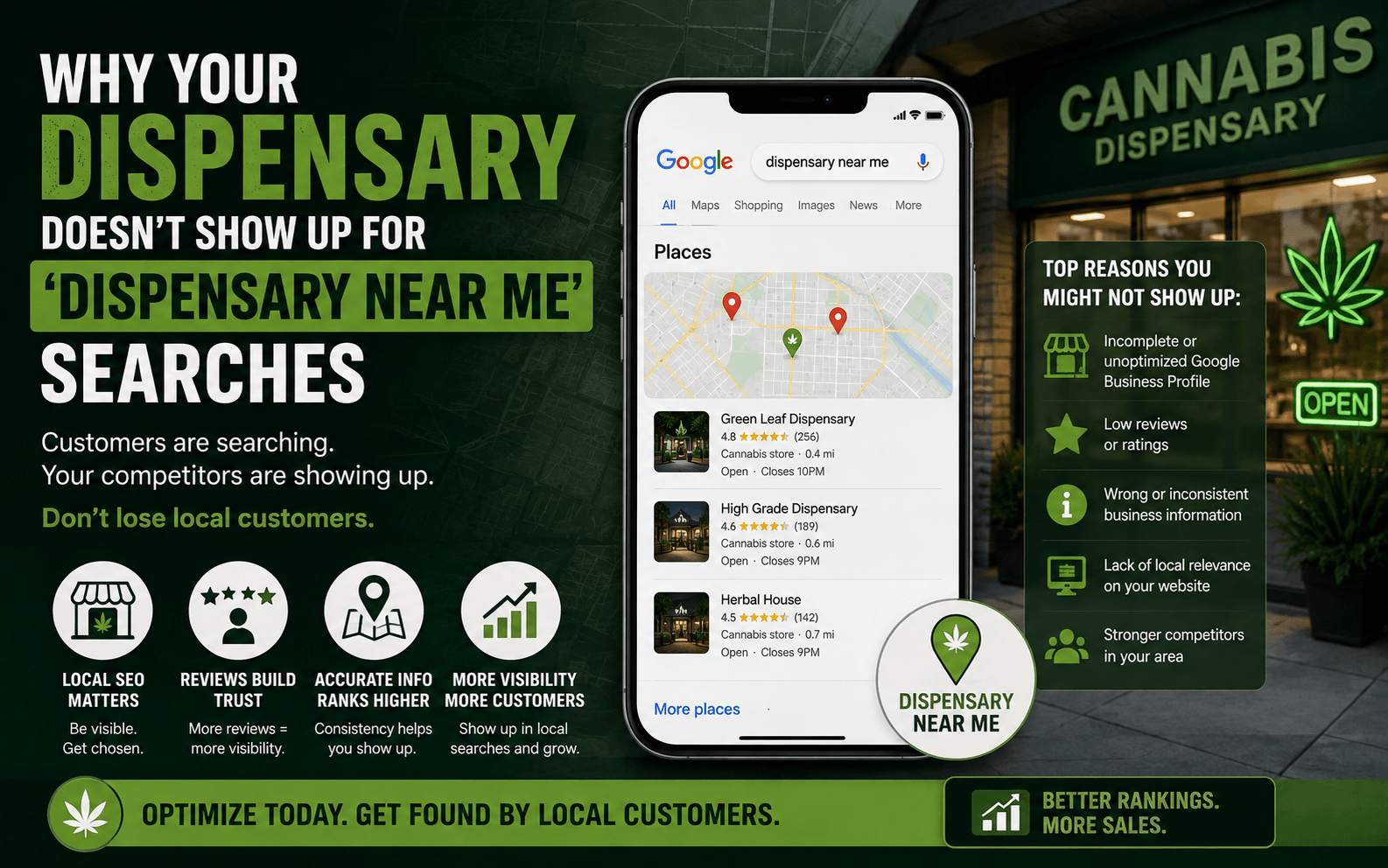
4. Local SEO Is Essential for Canadian Dispensaries
For physical cannabis stores, local SEO is often the highest ROI strategy.
Common Local SEO Challenges:
• Google Business Profile suspensions
• NAP inconsistency
• Weak local citations
• Review shortages
• Poor location pages
Many Canadian dispensaries fail because they rely only on homepage rankings instead of local optimization.
Winning Strategy:
• Optimize Google Business Profile
• Build city-specific landing pages
• Add local schema markup
• Collect customer reviews
• Create delivery zone pages
Example:
Instead of one page for Ontario, create:
• Toronto
• Ottawa
• Hamilton
• London
• Mississauga
5. Cannabis eCommerce SEO Challenges in Canada
Online cannabis businesses in Canada often face technical SEO problems.
Common Issues:
• Duplicate product descriptions
• Poor category optimization
• Weak strain pages
• Non-indexed menu systems
• Slow site speed
Many dispensaries use menu platforms that limit crawlability.
SEO Solution:
✅ Unique strain descriptions
✅ Product schema
✅ Internal linking
✅ Fast mobile performance
✅ Optimized collection pages
For example:
Instead of generic “Hybrid Strains,” create detailed pages around:
• THC levels
• Effects
• Terpenes
• Canadian availability
6. Link Building Is More Difficult in Cannabis
Cannabis remains a restricted niche, which makes earning quality backlinks harder than traditional industries.
Challenges:
• Fewer outreach opportunities
• Mainstream publisher limitations
• Compliance concerns
• Spammy cannabis directories
Better Link Building for Canadian Cannabis:
• Canadian cannabis blogs
• Industry publications
• Local news features
• Cannabis business directories
• Educational resources
Avoid black-hat SEO—Google penalties can hurt long-term rankings.
7. Content Limitations Due to Compliance
Canadian cannabis companies must balance:
SEO + Compliance + User Education
This creates content marketing challenges because sensational claims may create legal risks.
Best Content Types:
• Cannabis education
• Provincial buying guides
• Strain comparisons
• Delivery guides
• Cannabis laws by province
• Product usage guides
8. Measuring SEO ROI Can Be Difficult
Cannabis customer journeys may include:
• Google search
• Brand research
• Product comparison
• In-store purchase
Tracking full attribution is often harder.
What Canadian Cannabis Brands Should Measure:
• Organic traffic growth
• Local rankings
• Google Business interactions
• Product page conversions
• Delivery order volume
• Branded keyword growth
Common Cannabis SEO Mistakes in Canada
Avoid:
❌ Ignoring provincial differences
❌ Generic SEO agencies
❌ Duplicate city pages
❌ Compliance violations
❌ Weak Google Business Profile
❌ Poor mobile optimization
❌ Thin strain pages
How Canadian Cannabis Businesses Can Win With SEO
Successful SEO Strategy:
✅ Compliance-safe content
✅ Province-focused keyword targeting
✅ Hyperlocal dispensary SEO
✅ Technical SEO audits
✅ Strong product page optimization
✅ Canadian cannabis backlinks
✅ Educational authority content
Final Thoughts
Cannabis SEO marketing in Canada is different from standard SEO because it requires a deep understanding of:
• Canadian cannabis laws
• Provincial regulations
• Local SEO
• Compliance
• Technical optimization
The Canadian cannabis market is competitive, but with the right SEO strategy, businesses can build sustainable long-term traffic without relying heavily on paid ads.
For dispensaries, online cannabis stores, and LPs, SEO is often one of the most valuable digital assets you can invest in.
Frequently Asked Questions (FAQs)
1. Why is cannabis SEO important in Canada?
Because advertising restrictions make SEO one of the best long-term channels for visibility and customer acquisition.
2. Is cannabis SEO legal in Canada?
Yes, SEO is legal, but your content must comply with Canadian cannabis marketing laws.
3. What is the biggest cannabis SEO challenge in Canada?
Balancing compliance, local SEO, and provincial competition.
4. Should Canadian dispensaries focus on local SEO?
Absolutely. Local SEO is often the best strategy for dispensaries targeting nearby customers.
5. How long does cannabis SEO take in Canada?
Most businesses see improvements within 3–6 months, depending on competition and site authority.
6. Can online dispensaries rank nationally in Canada?
Yes, but success usually requires strong technical SEO, authority backlinks, and province-specific content